Why Noise Is the Most Overlooked Environmental Threat
Is low-level noise quietly draining your energy, focus, and sleep without you realizing it?

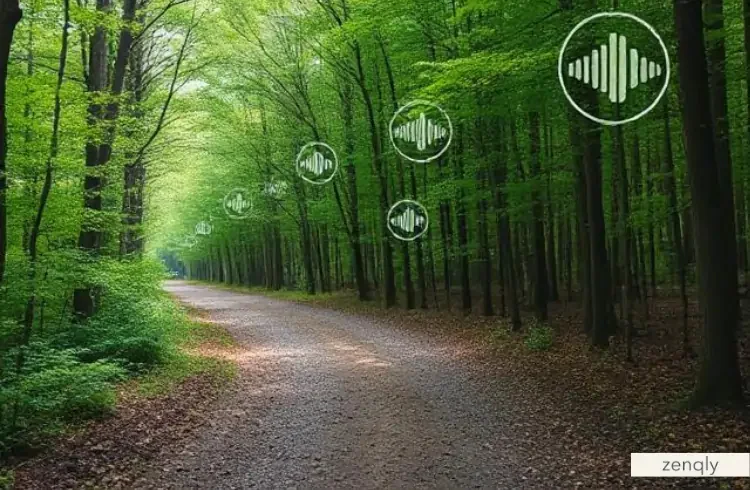
Unseen Pressure
Chronic noise, even at low levels, puts the body in a state of low-grade alert. It tightens the nervous system. You might not jump at a passing truck or buzzing phone, but your heart rate still spikes, your cortisol still rises. Your sleep gets lighter. Your fuse shortens. Little things build up. And because it doesn’t leave a mark you can point to, people dismiss it.
How Noise Undermines Health Without Warning
Cardiovascular risk rises with long-term noise exposure. So does anxiety. But the deeper hit is psychological: people stop relaxing fully. They stay a little tense, a little distracted. This isn’t dramatic enough to raise alarms, but it’s enough to keep the mind restless and the immune system busy.
And in crowded cities, near airports, or in homes with constant background media, the stress is daily. Children exposed to ongoing noise often show reduced cognitive performance. Adults? They just feel tired — and don’t know why.
The Mind Needs Silence
Mental noise — the kind that comes from overstimulation — feels like fog. You check your phone more. You start tasks and abandon them. You lose the edge that comes from stillness and observation. This isn’t laziness — it’s the result of a system overloaded.
Noise doesn’t just come from outside. But external clutter feeds internal chatter. And the more external volume we normalize, the less space we give to reflection.
Reducing Noise, Reclaiming Calm
Earplugs help. Curtains, rugs, bookshelves — they all reduce echo. A quiet room becomes a power source.
If your environment’s noisy, control what you can. Mute the background. Speak less often. Let stillness be a choice, not just an absence.
And if silence feels awkward at first, good. That’s the detox.
There’s something rare about someone who’s not always reacting — someone who can sit with stillness, wait before speaking, not need to fill the air. That kind of presence doesn’t come from strength. It comes from silence.
We talk about clean air, clean water, green spaces. But without quiet, none of it restores you. That’s why noise matters more than we admit — and why protecting your peace isn’t just preference. It’s survival.