Own the Moment, or Someone Else Will
Are you choosing your focus—or leaking it away, one distraction at a time?

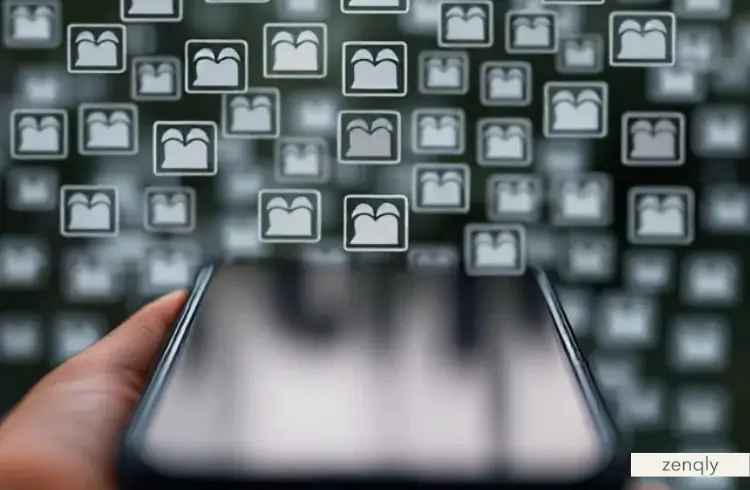
Quiet Control
You can’t play chess with your life if you’re busy chasing every pawn that moves. Most people react — they jump at sounds, flashes, opinions, and invitations that mean nothing in the long run. They let the world write their tempo, like a song stuck on someone else’s playlist. That’s how moments get stolen — not in a loud, violent rush, but quietly, through distraction and drift.
Real control isn’t loud. It’s not about being the most active — it’s about knowing when not to move. When to stay out of reach, out of noise. That silence, that pause — it’s power most people don’t tap.
Reclaiming your attention is a strategy, not a mood
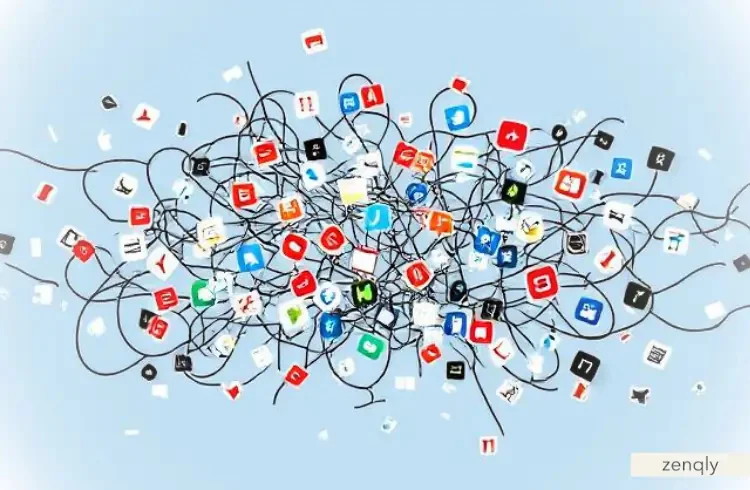
It’s easy to say you’ll “focus more,” but attention is a limited resource, not a switch. Once it’s spent, it’s gone — and much of modern life is engineered to spend it for you. Apps, alerts, even people with good intentions will slice your focus into fragments. One notification here, a scroll there, and the day’s clarity is gone before noon.
The question is: who benefits from your divided mind?
Because someone always does. Distraction is rarely random — it’s often designed. So before you blame yourself for having “low discipline,” notice how many traps are set in plain sight. Constant noise keeps you reactive. And reactive people are easy to steer, easy to sell to, easy to beat.
Choosing where your attention goes — and more importantly, where it doesn’t — is an edge.
Selective presence
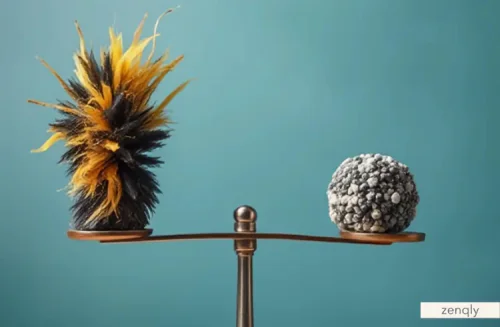
You don’t need to be available everywhere to matter somewhere. In fact, scarcity builds value. The less accessible your mind is to noise, the sharper your presence becomes where it counts.
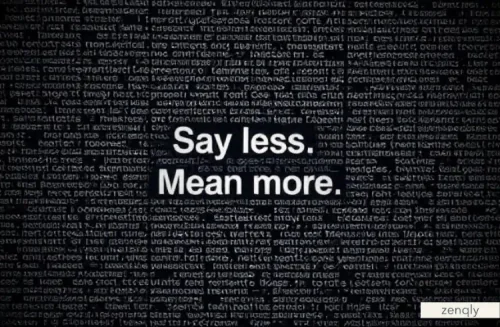
Start by subtracting. Fewer inputs. Fewer screens. Less news. Fewer “urgent” things that won’t matter in a week. It’s not asceticism — it’s clarity.
When you reduce the number of voices in your head, your own voice gets louder.
This also applies to people. Not everyone deserves full access to your time or your mind. Attention is a form of currency — and when you spend it on the wrong people or wrong moments, don’t be surprised when your emotional wallet feels empty.
Distance isn’t cold — it’s strategic.
Stillness is a decision, not a default
Stillness doesn’t mean inaction. It means choosing how and when to act — not being pulled into every argument, trend, or opportunity. That restraint? It looks passive from the outside, but inside, it’s surgical.
This kind of presence is rare because it’s trained. You have to practice sitting with discomfort — the itch to check, respond, refresh. Let it pass. Let the world blink first.
The more you do this, the more space you create — and inside that space is where good decisions live.
Own the moment, or someone else will. And when they do, they’ll use it for their gain, not yours.
Truth is, most people don’t lose their edge in one big fall. They leak it — scroll by scroll, interruption by interruption, saying “yes” when they meant “no.” But it doesn’t have to go that way.
Pull your attention back. Sit with it. Point it somewhere that feeds you — not drains you.
No need to announce it. Just move different. Let them wonder where your head’s at.
It’s exactly where it should be.