Data Is the New Land Grab
Is today’s tech empowering you—or quietly taking your ground? The answer might surprise you.


Silent Extraction
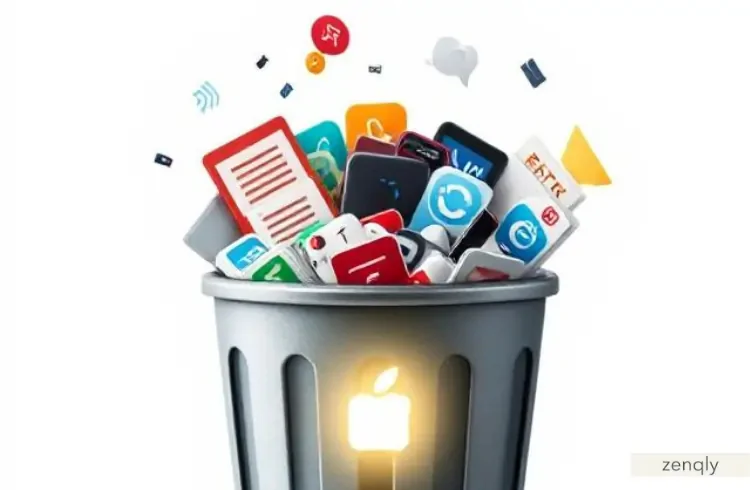
They don't need armies now — just access. While you scroll, tap, and share, something else is happening in the background: territory is being claimed. Not physical ground, but something more subtle — your habits, your patterns, your attention.
These aren’t just apps; they’re gateways. Behind their smooth interfaces is a kind of quiet mining — not of gold, but of you.
Digital colonialism hides in plain sight
It starts with infrastructure. Servers, software, cloud platforms — mostly controlled by a handful of companies from a handful of countries. They arrive offering speed, scale, and sleek design. Local governments, startups, even schools welcome them in. But behind the “free” tech is a contract, silent but binding: we give you tools, you give us data.
It’s not new, just updated. The same dynamic: one party brings systems, another becomes dependent on them. Over time, control stops being a choice — it becomes embedded. You can't switch off what you rely on.
This isn’t about bad intentions. It’s about power being unbalanced, and the imbalance being invisible.
The new extraction
Land used to mean food, minerals, oil. Now it’s behavior, sentiment, engagement. Data isn’t just collected — it’s commodified, modeled, sold. Not for your benefit, but to shape your next move. To predict what you’ll do — or steer what you might want.
And like land grabs of the past, it's often justified with the same language: progress, development, innovation. But who's defining progress? Who's cashing in on development?
Local economies adopt foreign-built platforms. Governments use imported surveillance tools. Even cultural identities shift, shaped by algorithms optimized elsewhere. Over time, digital borders blur — but power still flows in one direction.
Dependence disguised as access
The game is clever. Offer the tools first. Make them indispensable. Then set the terms. A country might host millions of users on a foreign platform — but have no say in how that platform governs speech, privacy, or monetization.
Creators build on borrowed land. Developers rely on closed APIs. Policymakers chase innovation they don’t fully control. In the end, you're not just a user. You're the raw material.
There’s no need for force when you’ve got dependence. No need for conflict when the system’s already wired in your favor. That’s what makes this form of control more effective — and harder to resist.
It’s not loud. It’s not obvious. But it’s real. And it’s growing.
Sometimes, to keep your ground, you have to know when it’s already being taken — and by whom.
We should be asking harder questions — not just about who builds the tech, but who sets the rules after it’s built. Because the new colonizers don’t come with ships. They come with platforms — and they’re already here.