Digital Sovereignty: How Much Control Do You Actually Have?
Discover why digital sovereignty matters. Learn how platforms shape your digital life and what it really takes to own your data.

Digital control
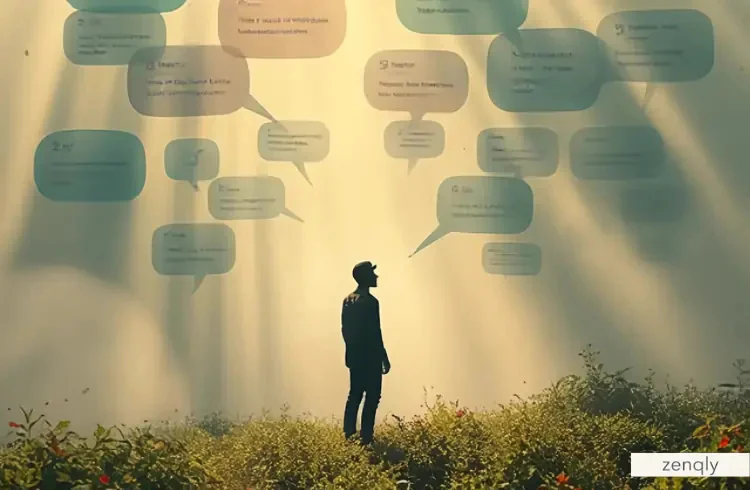
You think you're in control—until you're not.
One update, one policy shift, one vague “terms of service” tweak, and suddenly you're playing a game you didn’t agree to. Most people scroll past the fine print and call it convenience. But that convenience costs more than you notice—until it doesn’t.
What you click, store, or share isn’t just data. It’s real estate. And it’s not always yours.
What is digital sovereignty and why it’s slipping away
Digital sovereignty is the ability to control your digital presence—where your data lives, who touches it, how it's used, and whether it can be taken or tracked without your say. It sounds abstract until you're locked out of your own account, shadowbanned without reason, or your private content is suddenly public.
The issue isn’t just privacy—it’s ownership.
Data that lives on someone else’s server can be revoked, reshaped, or sold. The digital infrastructure—clouds, platforms, networks—is mostly rented space, not owned. You don’t set the rules. You adapt to them.
And the deeper your life moves online, the more that loss compounds.
Sovereignty meaning in context
Sovereignty means authority without needing permission. In politics, it’s a country running itself. In life, it’s not having to ask before making moves. Digitally, it means choosing where your identity sits, how your words travel, and who listens.
Right now, you’re probably not sovereign.
Your photos, chats, searches—hosted somewhere distant, governed by invisible clauses. It’s a soft captivity, dressed up in UX and free accounts. Most people don’t notice it because they’ve never tasted the alternative.
Real sovereignty means choice, not default.
The illusion of choice in a controlled system
Sure, there’s a settings tab. But the real control is upstream—in code, policies, business models. If you’re not paying for it, you’re the inventory. Even when you pay, you’re renting access. You’re upstream only when you own the infrastructure: your domain, your server, your encryption.
Few people want to think that far ahead.
But the trade-off for not thinking is being thought for. If the platform goes down, your voice vanishes. If the rules change, you adapt or disappear. That’s not control. That’s dependency.
And dependency is where sovereignty dies.
It’s not about deleting apps or fleeing into digital exile.
It’s about small, sharp moves: owning your domain, using tools that don’t farm you, encrypting what matters. Choosing friction over compromise, when the trade is too steep. Privacy isn’t about hiding—it’s about choosing who sees.
In the end, you get what you tolerate.
And what you tolerate becomes your cage.
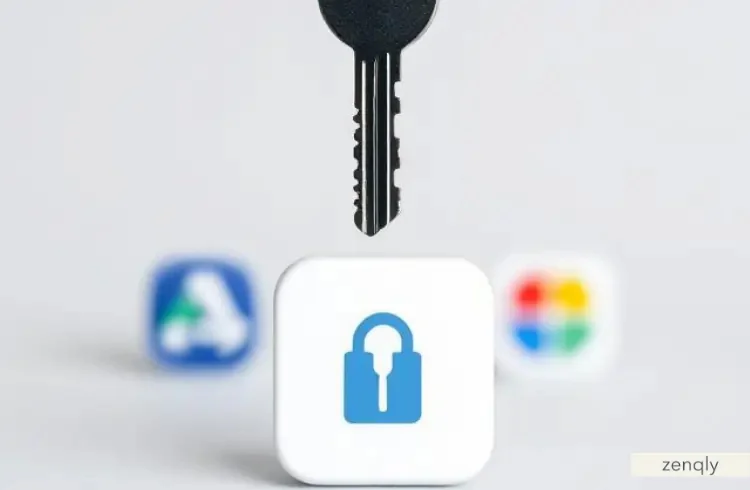
Most won’t care until it’s personal—until they lose access to something they assumed was theirs. But by then, it's already too late. The key was never in their hands to begin with.
I'd rather own less and control more.
Even if it’s slower, even if it’s quieter. Because sovereignty’s not loud—it’s deliberate.