Timing Isn’t Luck — It’s a Quiet Power Move
How does timing transform presence into power? Learn why waiting and watching can win more than immediate reactions ever will.


Timing Isn’t Luck
Some moves don’t shout. They wait. They hold. They read the room and skip the obvious. Timing isn’t about hope or chance — it’s about restraint. It’s about knowing when not to act, and why that changes everything. Luck? That’s what people call it when they don’t see the prep behind the pause. Timing feels invisible until it hits. But if you look close, it’s often the sharpest play in the room.
Why people miss the power behind silence and stillness
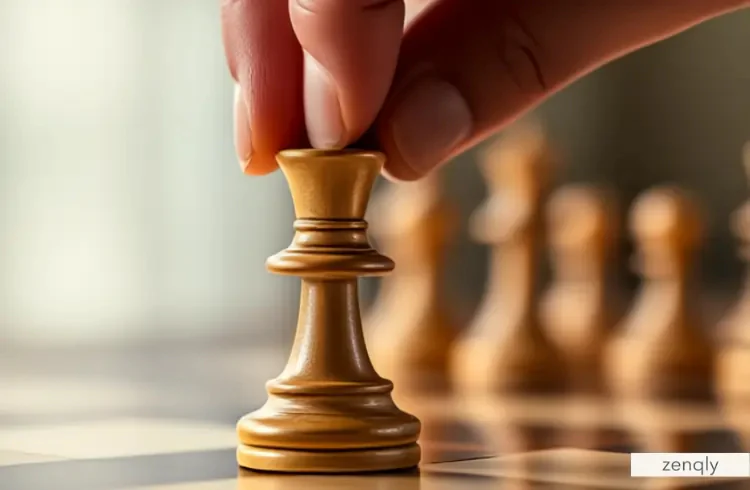
Most people rush — into conversations, into reactions, into decisions. They want relief, not results. So they speak when they should listen, move when they should hold, and say too much when saying nothing would've said more. Timing works in the quiet. It watches. It waits until the emotional dust settles. Then it strikes — clean, precise, and often without needing to explain itself. That’s the power of not reacting immediately. It makes space for better moves to show up. People don’t notice you’re holding back — but they feel the impact when you don’t play their tempo.
The right moment isn’t convenient — it’s strategic
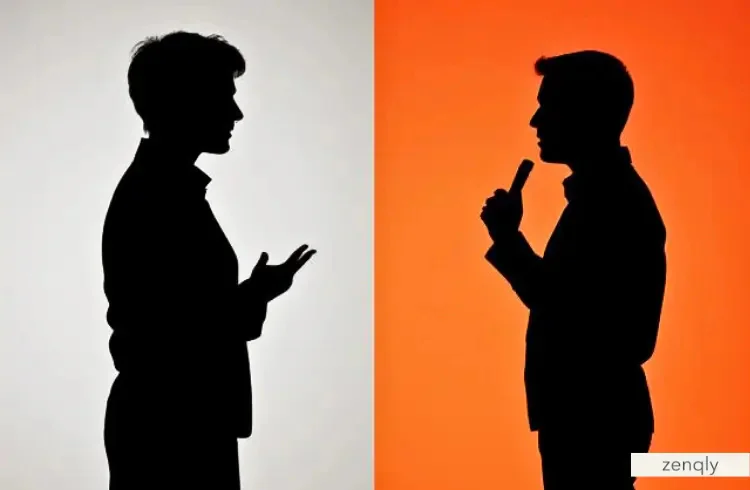
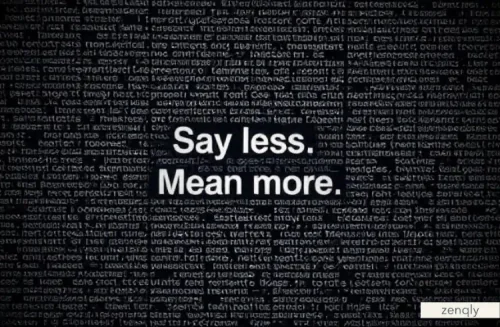
Timing isn’t about comfort. It’s about leverage. You wait not because you’re passive — but because your move lands better when the air is clear. The best plays come after the noise dies down, not during it. This is true in arguments. In relationships. In business. Emotion wants immediacy. Wisdom wants clarity. Sometimes, letting someone talk too much gives you exactly what you need to say less, but mean more. Sometimes, giving something space lets it fall apart on its own — no fight needed. That’s not delay. That’s dominance through discretion.
Timing chooses presence over pressure
People think pressure wins. But timing is how you win without pushing. When you enter a conversation calm, late, and sharp — it shifts the whole room. When you leave at the right second — not too soon, not too drawn out — you control the story they tell themselves afterward. Presence that’s timed right can make someone rethink everything. Not because you said more. Because you moved when they expected stillness — or stayed still when they were bracing for movement. That’s what makes it powerful. They can’t predict it. And because they can’t predict it, they respect it. Timing isn’t loud. But it’s unforgettable. You don’t need to explain your silence. You don’t owe anyone instant reactions. Some moments ask for patience — not for peace, but for precision. You’ll always look more in control when you choose your moment, not when you rush into theirs. That’s not manipulation. That’s mastery. And yeah — most people won’t get it. They’ll think you’re lucky. Detached. Cold, maybe. But people like that never really had control — just volume.
Let them speak first. Let them rush. Your move lands better when they’ve already played theirs. That’s the edge. That’s the power. Timing isn’t luck — it’s the art of not wasting your presence.