How Objective Observation Shapes Your Relationships
Stop misreading silence, kindness, or distance. See people clearly by watching patterns, tone, and behavior — not just what’s said.

Objective observation in relationships
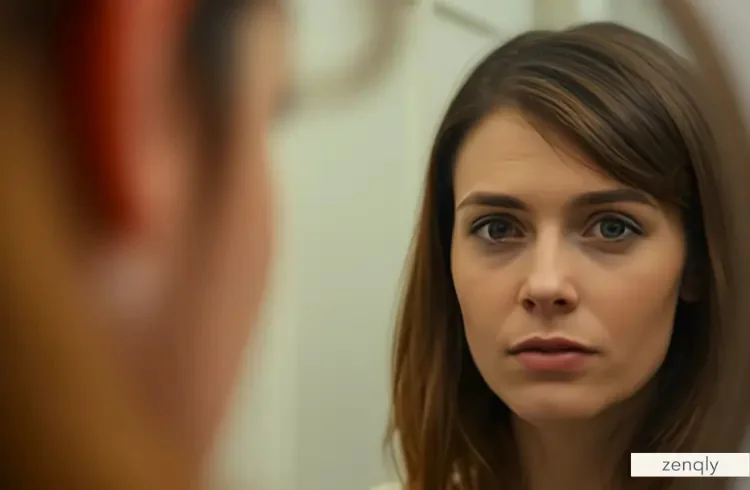
People move fast. They talk faster. Most hear what they expect — not what’s said. That’s where trouble begins. You’re not reacting to truth; you’re reacting to projection. When you train yourself to see instead of assume, everything shifts. The mood in the room. The way someone looks at you mid-sentence. The small, quiet tells — hesitation, a change in tone, the way a person sits when you speak truth. These things say more than words. But to catch them, you’ve got to slow your mind. Let it watch, not jump.
The cost of subjective perception
Most people filter others through hope, fear, or ego. They label things quickly to make sense of them — good, bad, safe, threat, ally, enemy. It’s fast, comfortable, and wrong more often than not. You end up misreading kindness as interest, distance as rejection, silence as disrespect. The mind fills in blanks with what it fears most. And in doing that, it misses the obvious.
In relationships, this means you're not responding to people — you’re responding to your own internal noise. That’s where tension builds: when someone’s intentions and your interpretation don’t match. Objective observation breaks that loop. You stop assuming. You start watching. You notice patterns, not just moments. You begin to see how someone handles pressure, whether their empathy runs deep or shallow, how often their words match their behavior. That kind of clarity doesn’t just protect you — it positions you.
The psychology of seeing clearly
Accurate observation doesn’t require genius. It requires quiet. In psychology, this is tied to cognitive empathy — the ability to understand others without absorbing their emotions. It's what allows a therapist to listen deeply without being pulled into the storm. Apply that same skill to everyday life, and relationships become clearer. You no longer get swept into drama or misled by charm. You pick up on subtle contradictions — a soft insult hidden in a compliment, or a shift in eye contact when someone hides something. It’s not about being suspicious. It’s about being awake.
Developing the skill without losing your calm
You don’t need to overanalyze every detail. That becomes noise too. Observation is about presence — not pressure.
Here’s what works:
- Pause before you respond. Give yourself one beat to see instead of react.
- Watch for patterns, not just incidents. People reveal themselves slowly.
- Listen to tone more than words. How someone says something often matters more than what they say.
- Notice how people treat silence. It tells you who’s at peace and who’s performing.
Over time, this becomes second nature. You’ll speak less, say more, and choose who to trust based on clarity, not chemistry. People show you who they are — but only if you’re not too busy showing them who you want them to be.
Most conflict, confusion, and emotional chaos could be avoided if people saw what was there instead of what they wished was there. Objective observation won’t make you colder — it’ll make you cleaner in your decisions.
When you learn to really see, you stop chasing stories and start reading signals. And honestly, that’s when relationships get simpler. Not easier — just smarter.