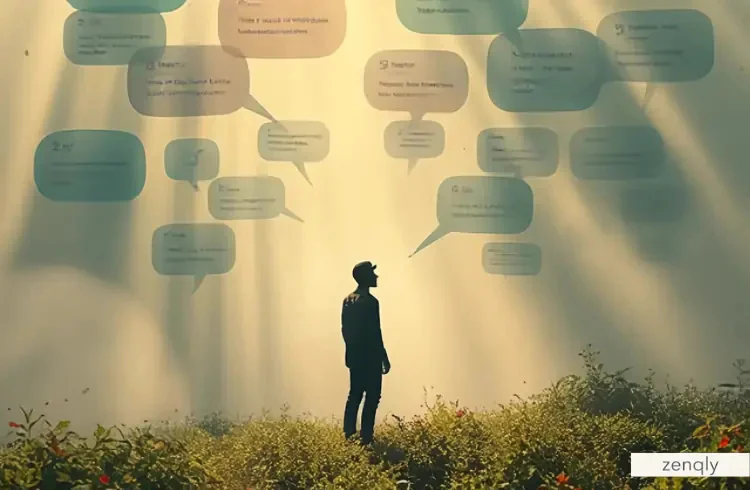
Living Loud: The Hidden Cost of a Noisy World
What if your stress, fatigue, and brain fog aren’t from overwork — but from constant noise?


Everyday Damage
Noise doesn’t knock you over. It chips away. It floods your nervous system with small, constant alerts. You tense up without realizing. Focus breaks before it deepens. You feel wired but worn. And the worst part? You start thinking it’s normal.
The Effects of Noise on Your Health
Your brain is wired to notice sound — especially sudden or irregular ones. It’s a survival mechanism. But when there’s no pause, the system never shuts off. Long-term exposure to environmental noise activates your stress response, even when you're asleep.
That means higher blood pressure. Shorter sleep cycles. More fatigue. Mood swings that seem random, but aren’t. In louder environments, people report more irritability, more burnout, more tension headaches. The body can’t rest when it’s always bracing.
Over time, noise has been linked to increased risk of heart disease, stroke, and even cognitive decline. And yet, because it's not dramatic, it gets overlooked. Like secondhand smoke, it harms quietly — but systematically.
Noise and the Mind
There’s external noise — the sounds you hear. Then there’s mental noise — the clutter it leaves behind. One fuels the other. When your brain is constantly reacting, it loses space for thought. Real thought. The kind that requires depth, focus, and calm.
The result? You feel distracted, disconnected. You jump between tasks, skim instead of reading, scroll instead of reflecting. Silence starts to feel uncomfortable. Stillness becomes foreign. And without silence, there’s no clarity.
Mental noise shows up as indecision, impulsive moods, trouble sleeping, overstimulation, anxiety. You try to fix it with routines or motivation. But it’s not always a discipline problem — sometimes it’s just too loud.
Turning the Volume Down on Stress
The fix isn’t just moving to the woods. It’s becoming selective about what you let in. Start small. Cut the background noise: turn off autoplay, limit push notifications, create silent hours at home.
Add buffers. Use noise-canceling headphones. Close the window during rush hour. Step outside when a room feels overwhelming. These aren’t luxury moves — they’re psychological maintenance.
And when you can, seek actual quiet. Real, uninterrupted silence. Even ten minutes helps. Let your nervous system relearn what calm feels like.
Noise creeps into the body quietly, but the cost adds up — in your patience, your health, your clarity. The world may not get quieter anytime soon. But your life can.
Start protecting your quiet like you’d protect your time. Or your energy. Because once you’ve lived without noise for a while, you’ll realize just how much of your stress wasn’t even yours — it was the sound of everything else trying to get in.