Why Being Present Is Harder With the People Closest to You
Learn how true presence transforms connection — even when words fall short or silence feels heavy.


Emotional presence
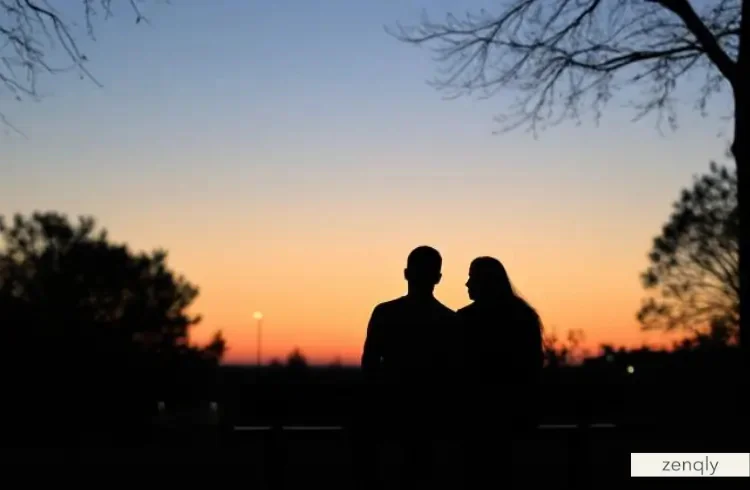
We show up, but we don’t always arrive. Around strangers, it’s easier — the stakes feel low, the performance clean. But with people we love? Things get tangled. History enters the room. Expectations hover like smoke. You’re there in body, but your mind’s half-tuned, hedging, bracing.
Being fully present with the people closest to you sounds like the easiest thing. But it often isn’t.
Why closeness clouds presence
Familiarity breeds comfort — but also blind spots. With friends, family, or long-time partners, we tend to listen on autopilot. We anticipate their patterns, guess what they’re about to say, filter their tone through old memories. Instead of hearing them in real-time, we’re hearing echoes.
There’s also the weight of unresolved tension. Presence requires emotional openness — but with the people we know best, we’re often guarding ourselves. A word can trigger a grudge. A pause can reopen something left unsaid. So we retreat, quietly, even while sitting right across from them.
And then, there’s the pull of multitasking. We think presence is about time, but really, it’s about attention. You can be in the same space and still miss everything. Phones buzz. Thoughts drift. You nod, but don’t really see them. That’s how distance grows — not from absence, but from hollow presence.
Being truly present
It starts with intent. Not to fix, control, or even respond — but just to notice. Presence isn’t a performance. It’s a posture. One that leans in, softens the jaw, reads the breath, hears the unsaid.
With close ones, that’s rare — and powerful. They don’t need solutions. They need to feel your quiet attention. The kind that doesn’t flinch. That isn’t already forming a counterpoint or rushing to smooth things over.
This kind of presence can feel risky. Vulnerable. You’re not hiding behind small talk or roles. You’re just there — exposed, but grounded. You might not have the right words, but your stillness carries weight. It tells them: I’m here, even in your mess.
Relearning how to show up
Sometimes, the people closest to you have never really met the present version of you. They’re interacting with past versions — old habits, past mistakes, outdated roles. Being truly present with them might mean setting quiet boundaries. It might mean letting go of the urge to perform or please.
And sometimes, it means sitting through awkward silence — not rushing to fill it, but letting it breathe. That’s where trust grows: in the space between needing to be understood and being willing to just understand.
Presence, especially with those we love, isn’t a light switch. It’s a discipline. One that gets sharper when you stop chasing depth — and start practicing stillnes.
It’s strange, isn’t it? The people we’d take bullets for are sometimes the hardest to sit with, undistracted. But that’s the real work. Not the big gestures — the tiny ones. The long eye contact. The patience to let them finish. The moment you put the phone down, just because.
That’s presence. Not loud, but unmistakably felt.